Part + process baseline
Current 2D/3D revision, exact thermoplastic, approved sample, setup history, defects, maintenance and repairs.
Evidence review 02 / existing tool
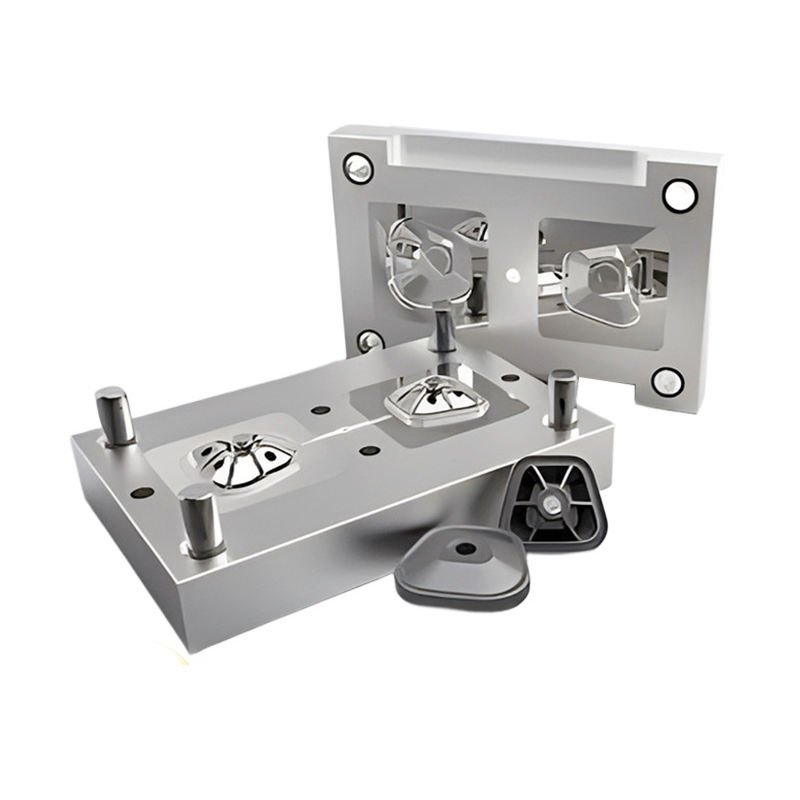
An existing injection mold contains technical history that may not be visible in the steel. A controlled transfer rebuilds that history before the new supplier accepts production responsibility.
Transfer problem
Wear, previous repairs, resin substitutions, process windows, approved samples, cosmetic limits and packing decisions may live in different records—or only in operator knowledge. The transfer review makes missing evidence explicit instead of silently assuming equivalence.
Current 2D/3D revision, exact thermoplastic, approved sample, setup history, defects, maintenance and repairs.
Accessible cavity/core condition, slides, ejection, cooling, runner, connections, mold envelope and handling needs.
Defined resin and trial condition, sample identity, critical checks, correction ownership and production release gate.
Transfer gates
Findings can support direct trial, preventive work, repair, modification or a new-tool recommendation. The decision belongs in a written transfer report.
List what exists, what conflicts and what must be re-established through trial.
Document accessible wear, damage, repairs, components, cooling and maintenance needs.
Use controlled material and sample identity to separate tool, process and drawing issues.
Approve part evidence, production startup, inspection, packing and future change control.
Transfer file
The exact request depends on tool complexity and available history. Missing items are recorded as risk—not backfilled with a generic capability claim.
Prepared by SRRP Engineering Content Team. Engineering publication review: SRRP Injection Molding Project Review. Published and updated 31 July 2026. No named customer or unsupported transfer outcome is asserted.